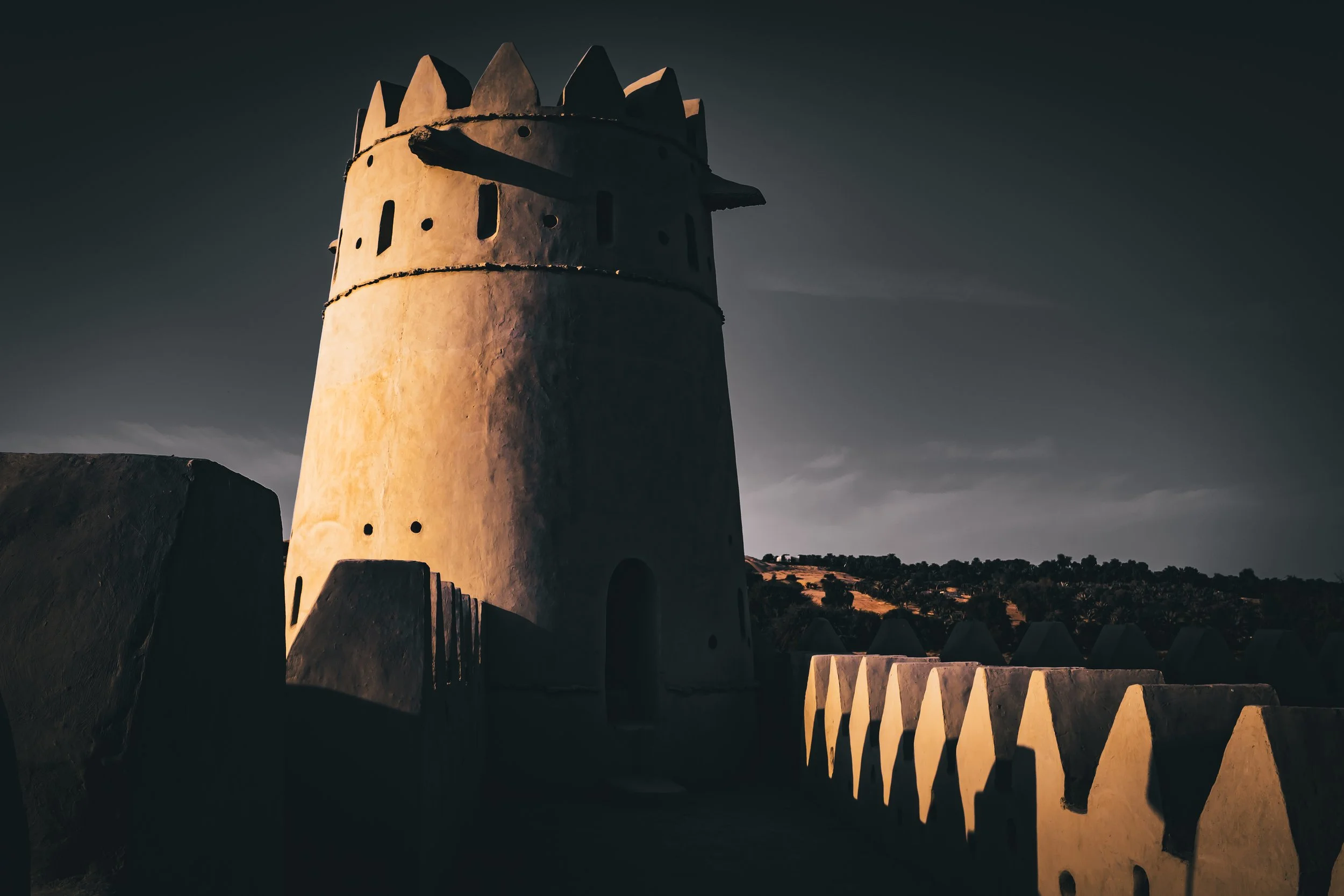
Almeel Fort
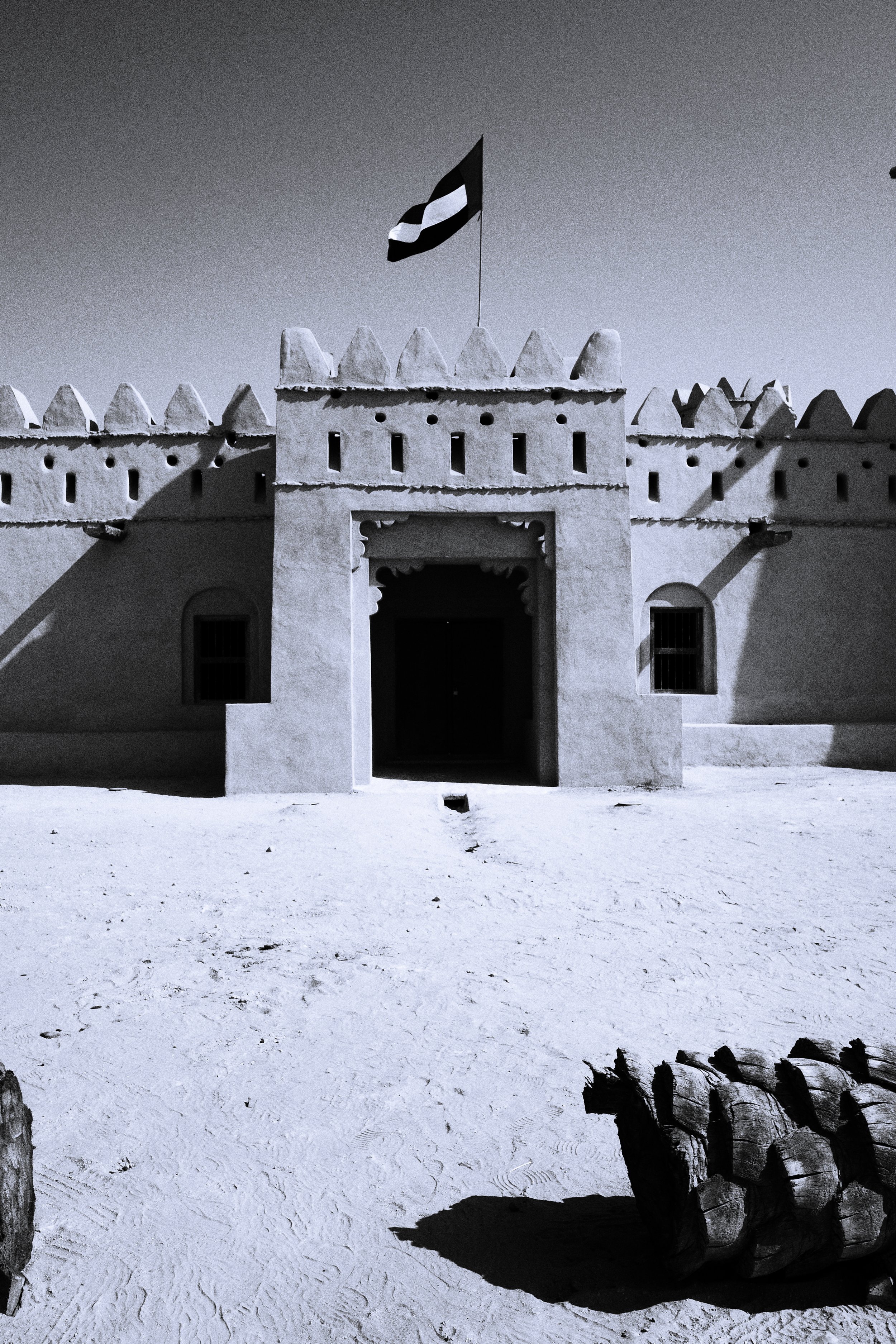
Al Meel Fort has always been more than a historic landmark to me. It is part of the landscape I grew up with. My ancestors lived in Attab, the village right next to the fort, alongside Shah and Al Meel, small communities tied together by family, palm groves, and the rhythm of the oasis. Liwa has never been just a destination. It is a place I have returned to in summer and winter, year after year.
Growing up, the fort was always there, quiet, closed, and slightly mysterious. We used to ride our dirt bikes through the desert paths, passing by the old walls that were locked at the time because the structure was not safe. It stood as a backdrop to our days, something familiar yet unreachable, watching us the same way it had watched generations before.
Seeing the fort opened again in recent years feels special. Walking inside it now, knowing how close it is to Attab and how connected it is to our history, gives it a different weight. During the winter season, the fort sometimes comes alive in a new way, hosting small pop ups that blend heritage with the present. This year, the pop up coffee shop is called Bedouin, a simple idea that fits perfectly. Coffee, conversation, and a fort that once protected wells and families now welcoming people again.
Al Meel Fort has not changed its role as a gathering point. It is simply doing it in a quieter, warmer way. For me, it is a reminder that some places do not just belong to history books. They belong to memory, family, and the feeling of coming back.