On Gates, Time, and Entry
In Liwa, the gate, the derwaza, is more than a boundary. It is a moment of pause. A line between public and private, between the open desert and the sheltered interior of a home.
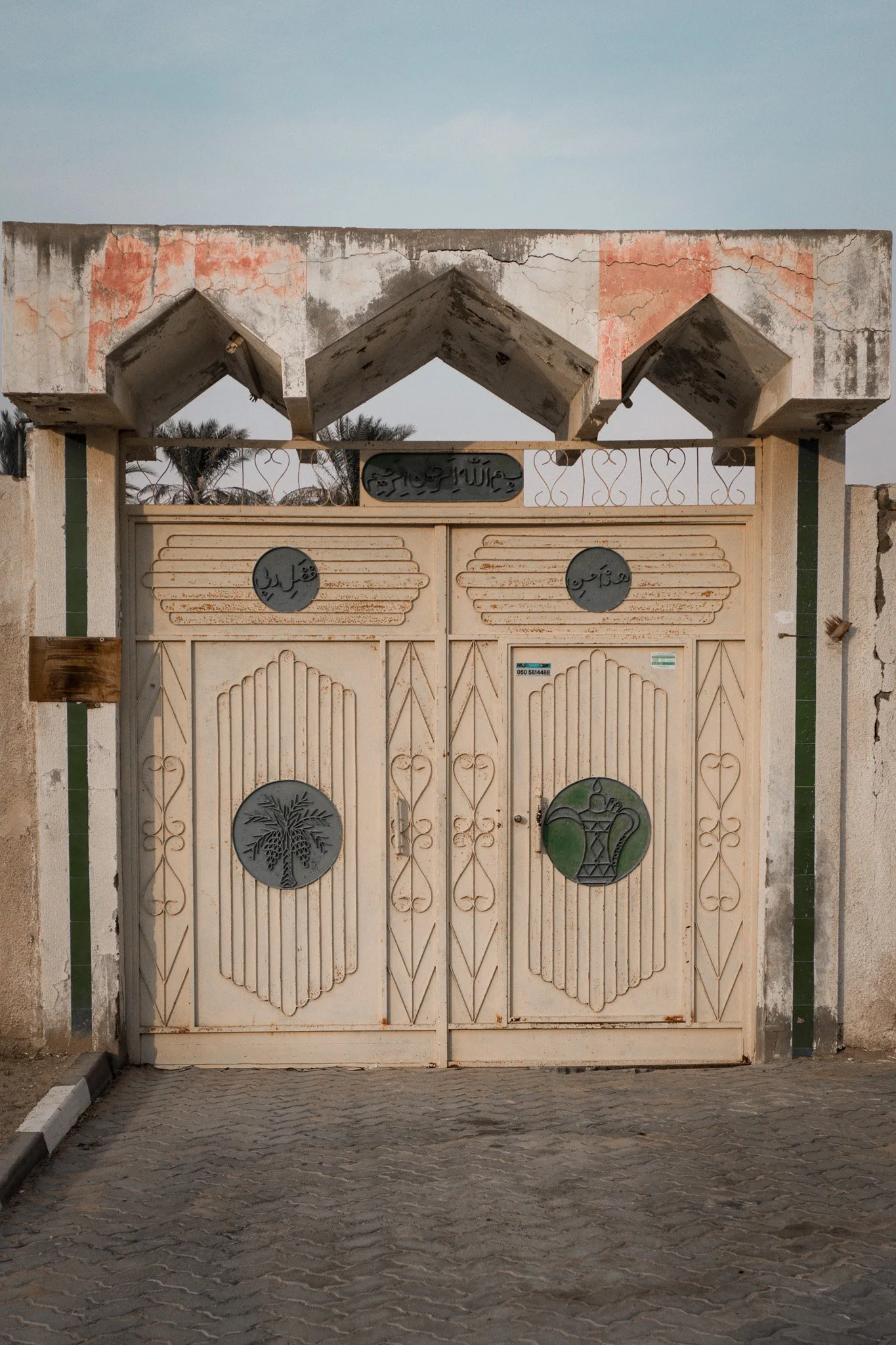
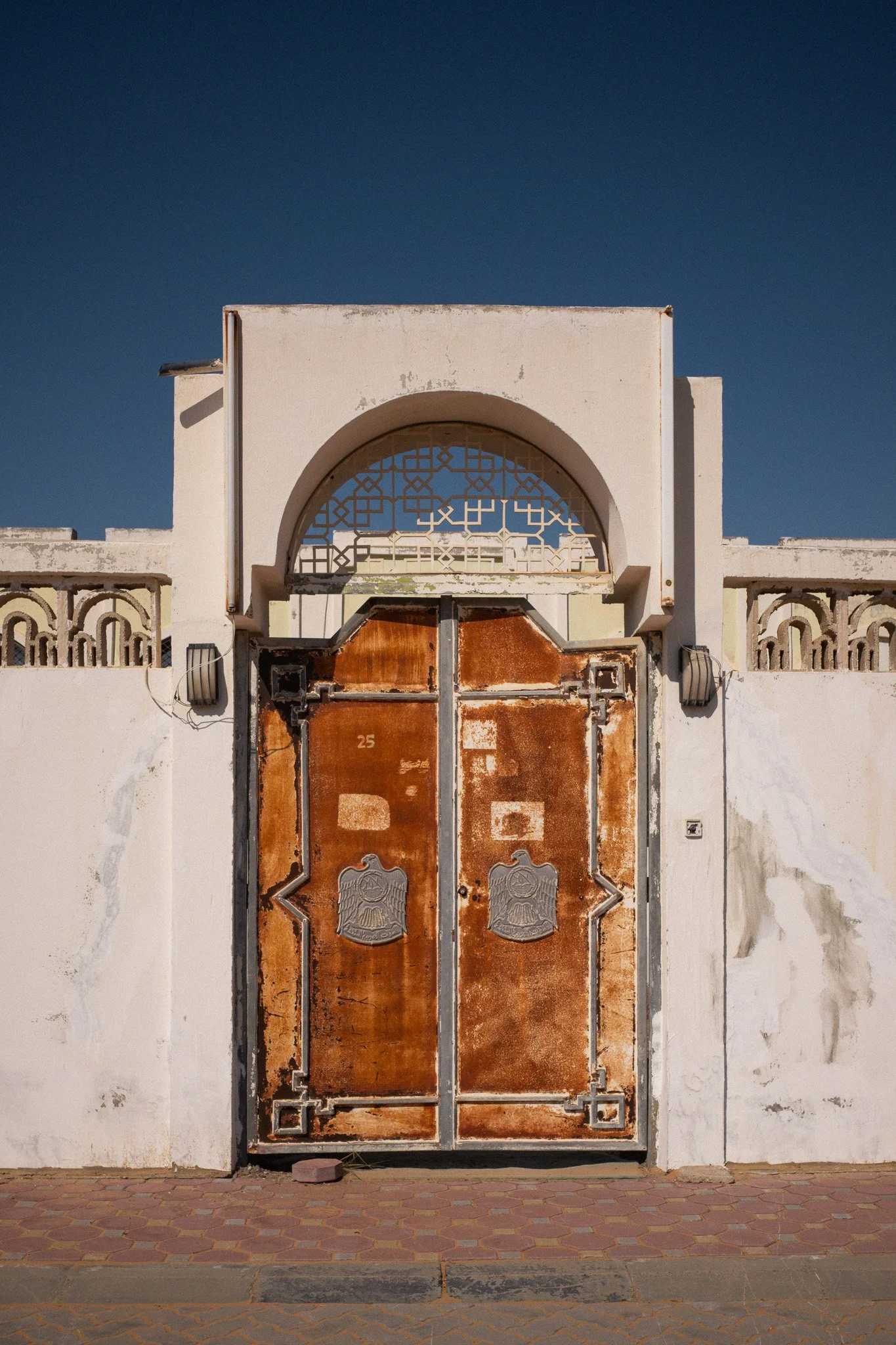
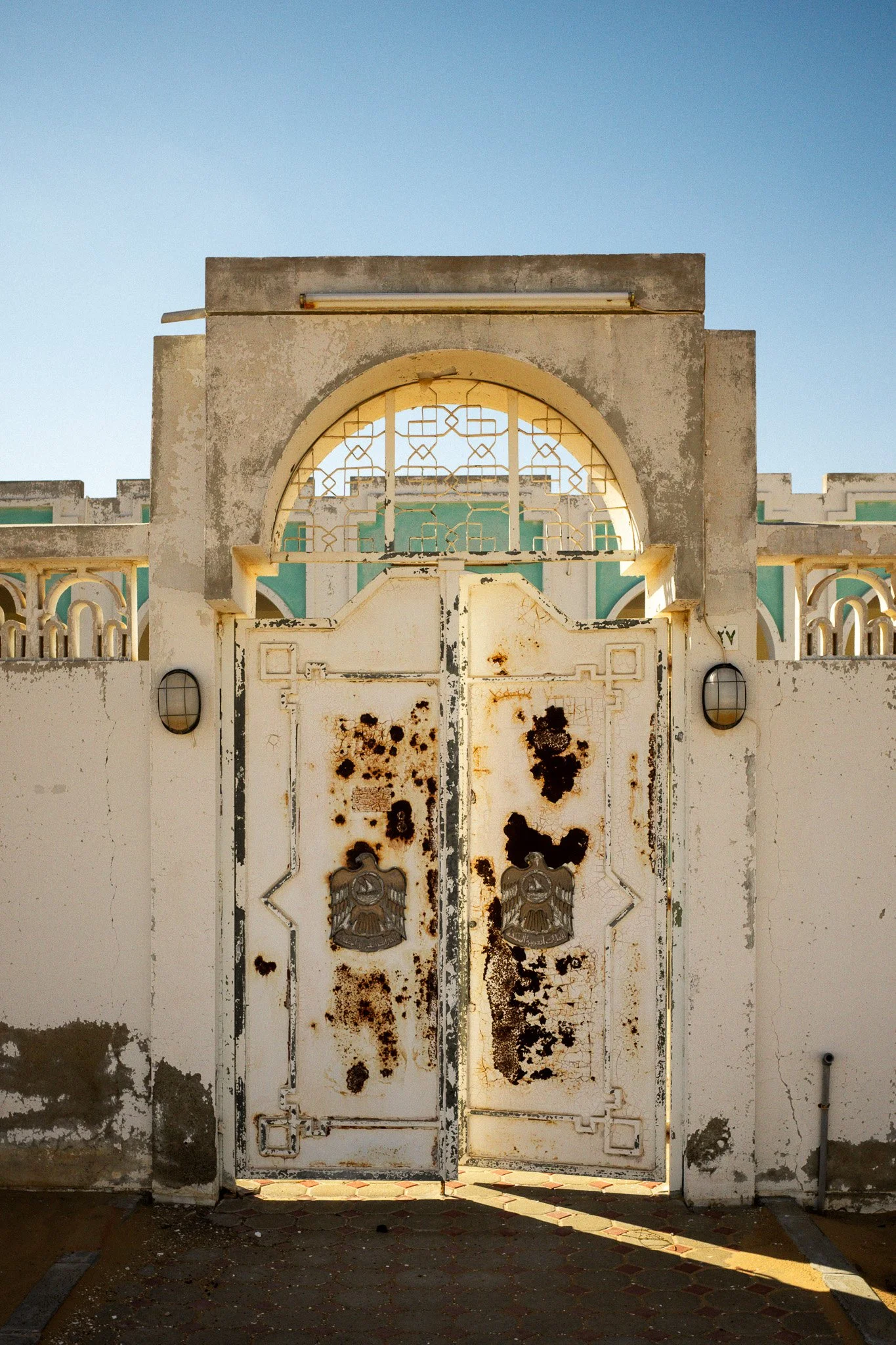
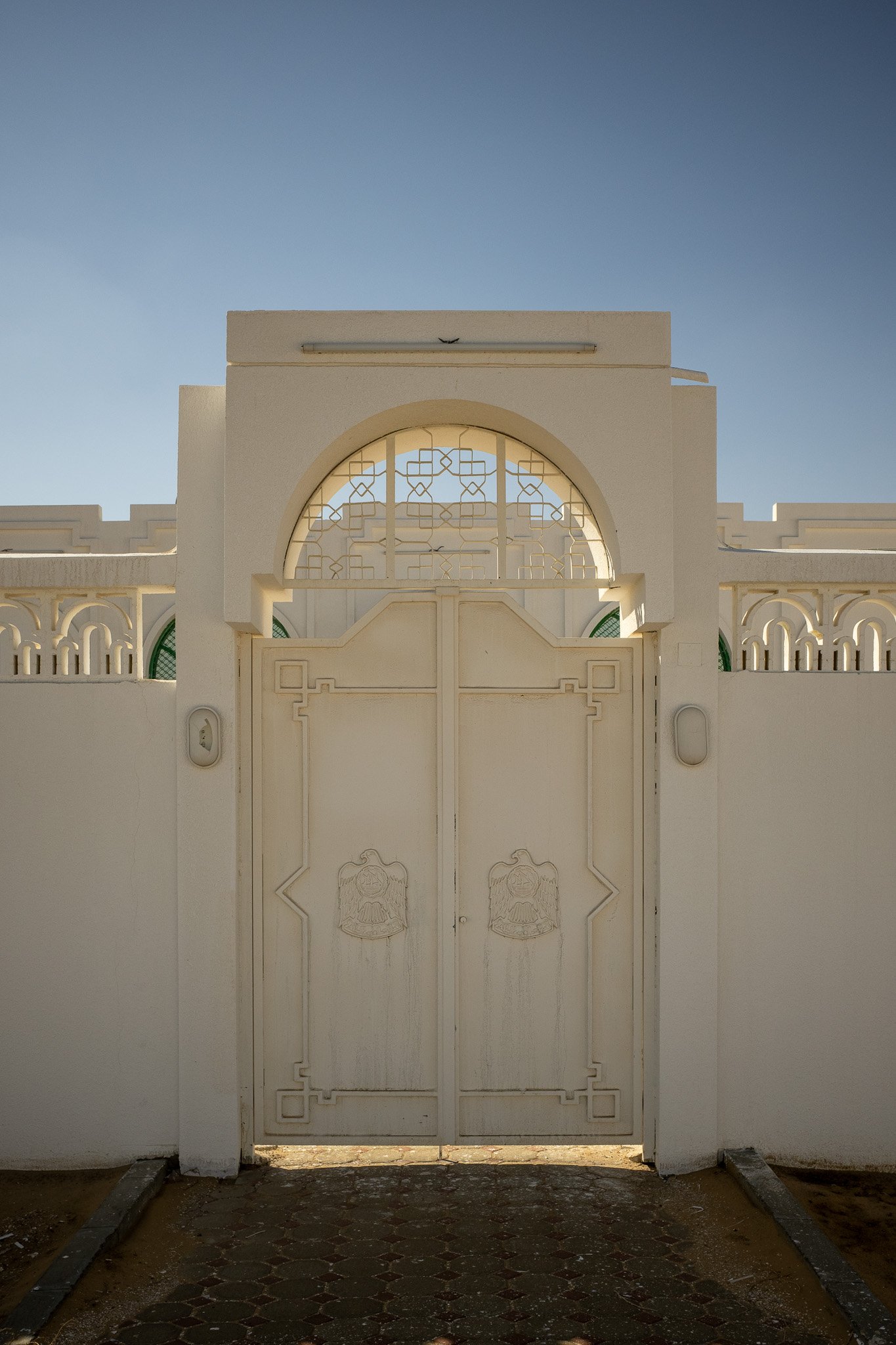
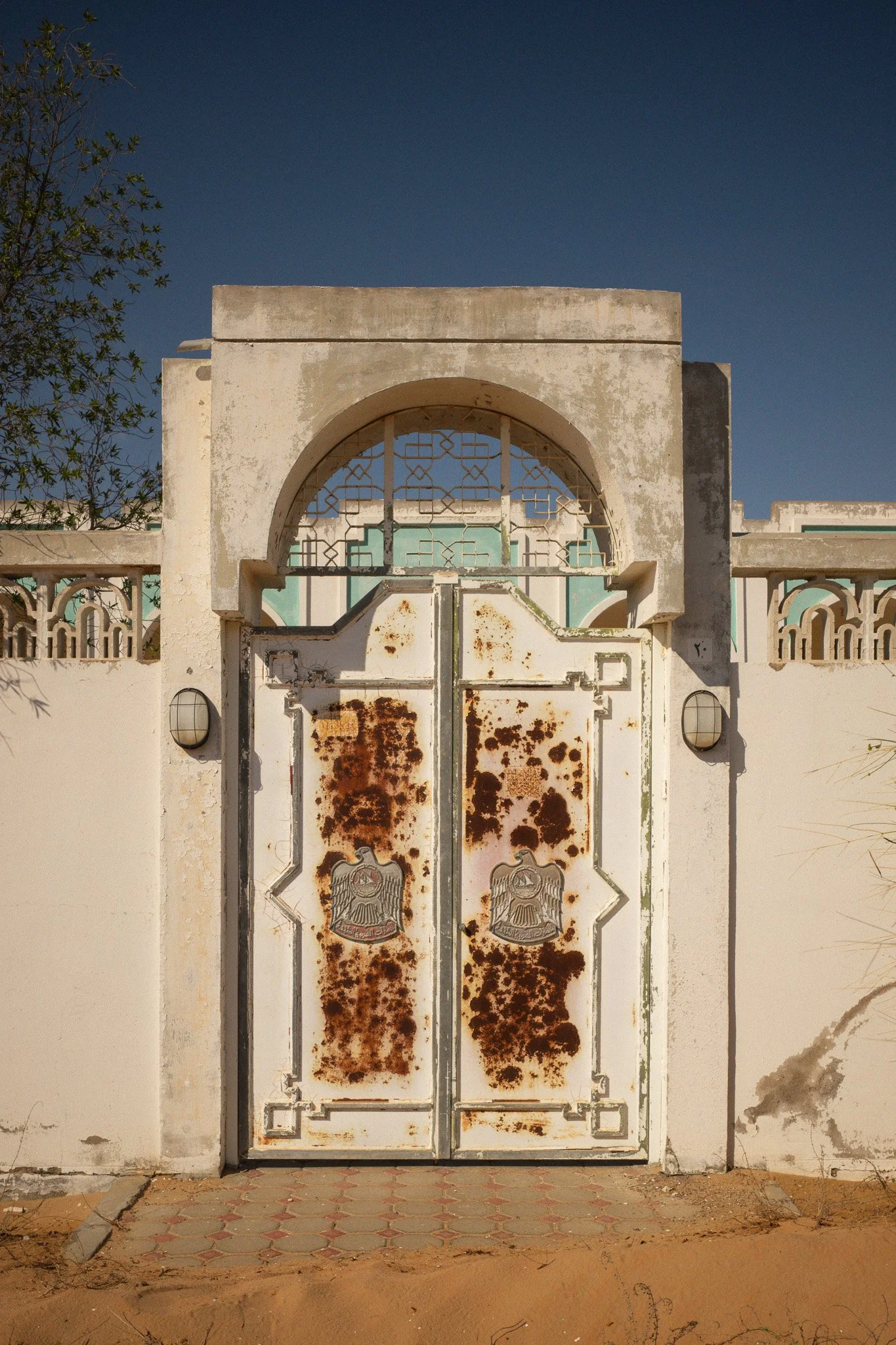
These gates stand quietly along old houses, some carefully maintained, others left to weather the sun, wind, and time. Rust blooms where paint once held. Crests fade. Hinges stiffen. Yet even in decay, they remain deliberate. Nothing about a derwaza is accidental. Its symmetry, its symbols, its weight all signal that what lies beyond matters.
A gate is not a wall. It does not reject; it mediates. It asks permission. It marks transition. In a place like Liwa, where the landscape is vast and exposed, the gate becomes a portal, from openness to enclosure, from harsh light to shade, from movement to rest.
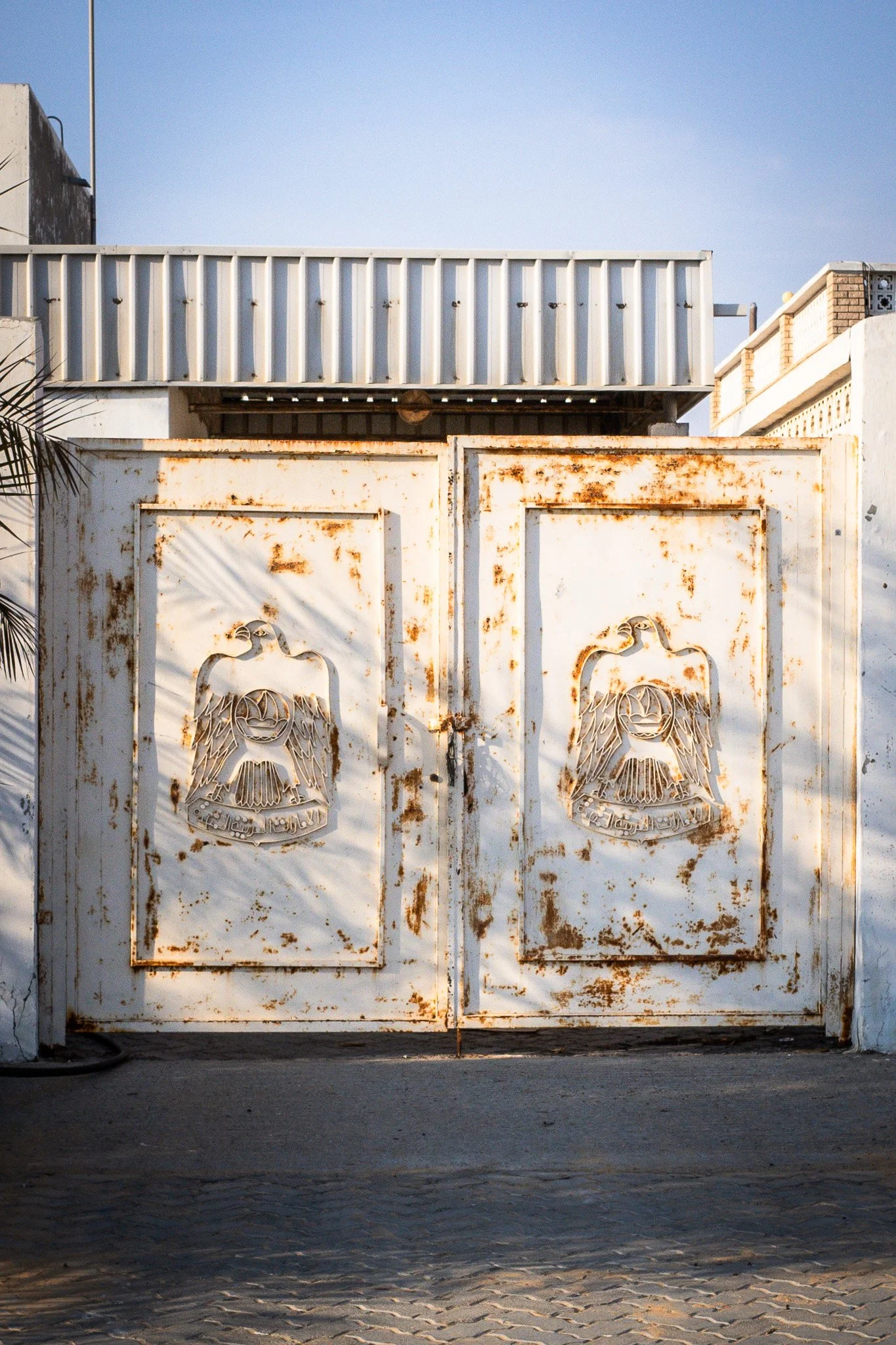
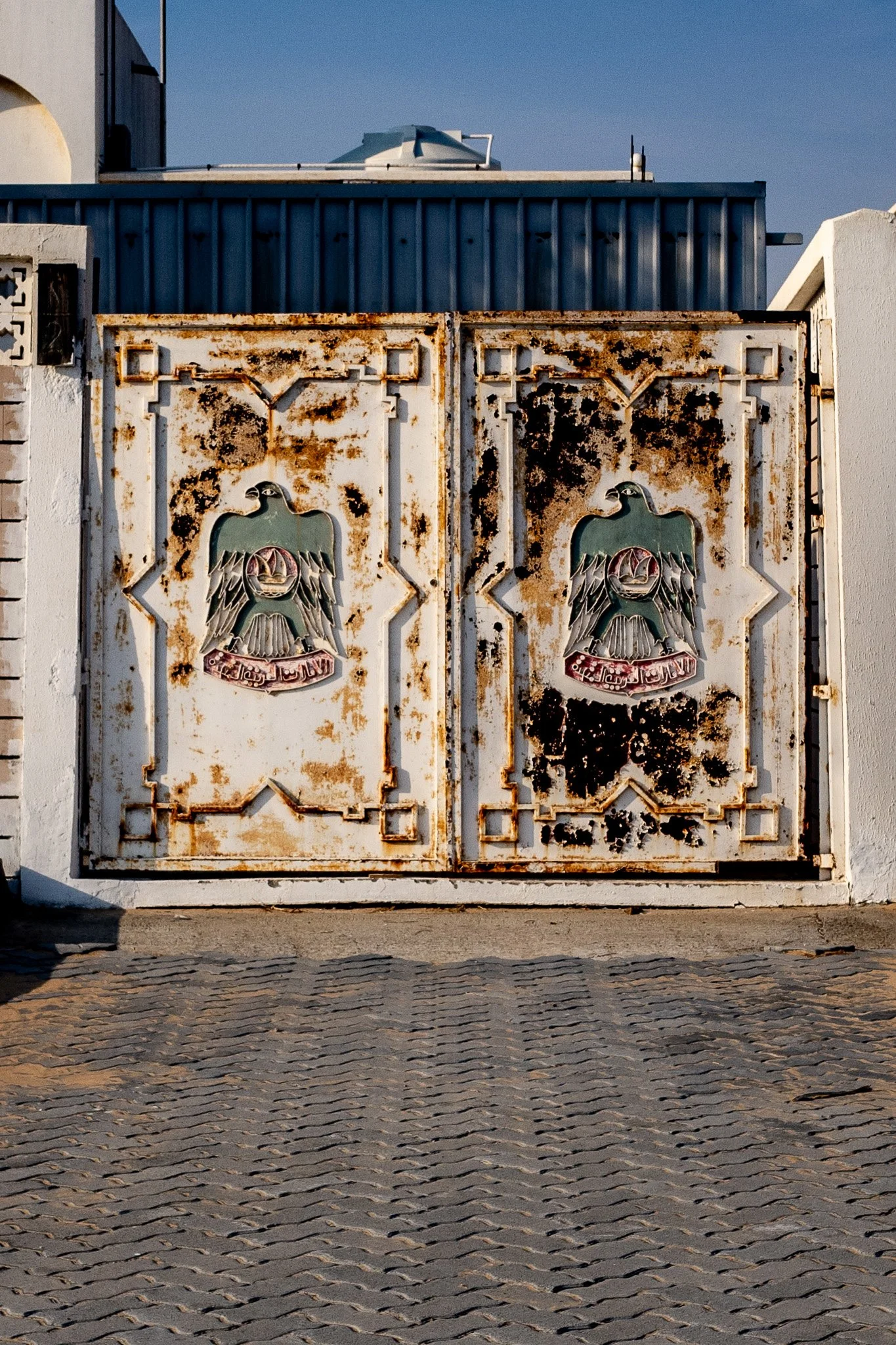
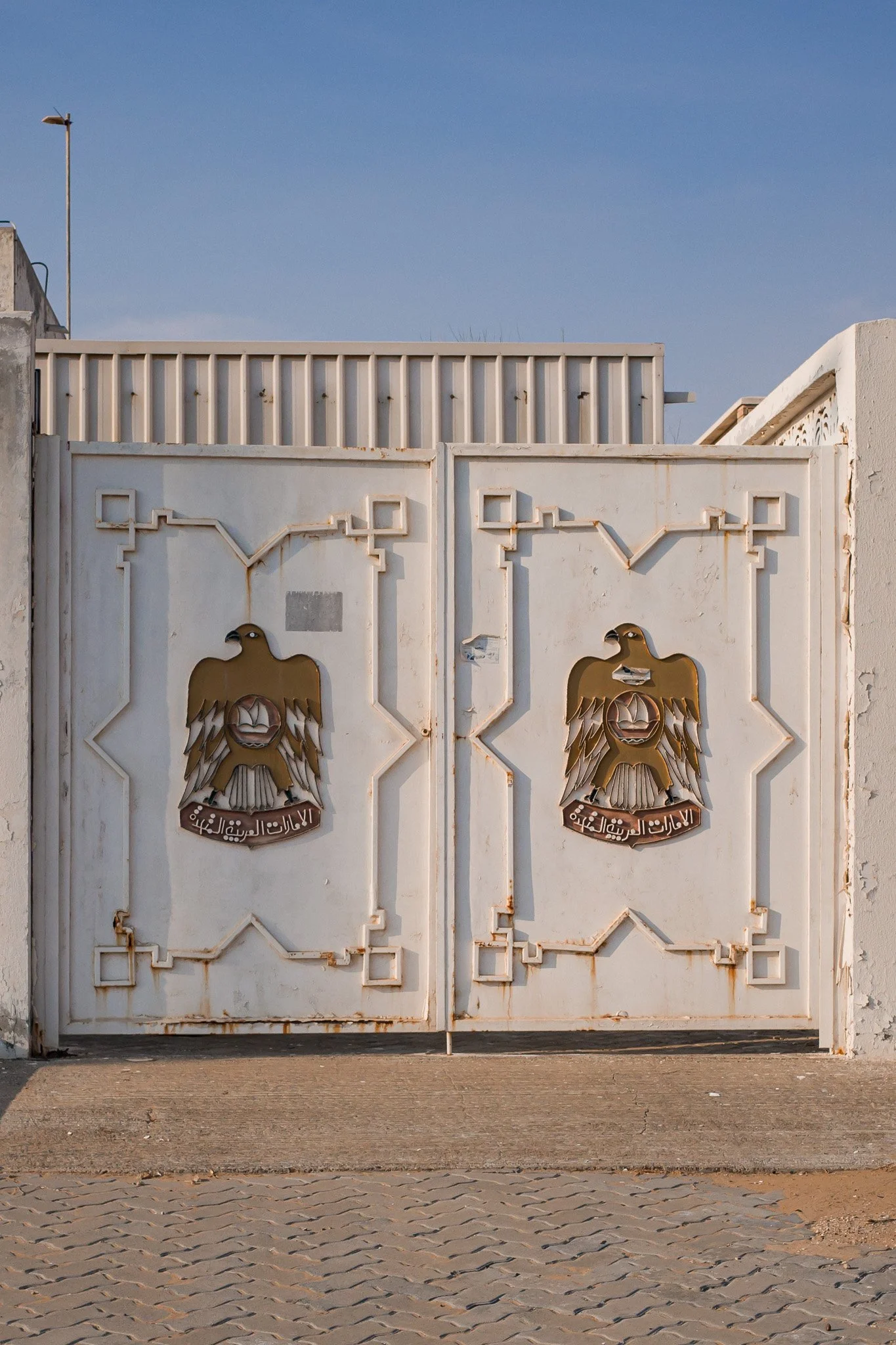
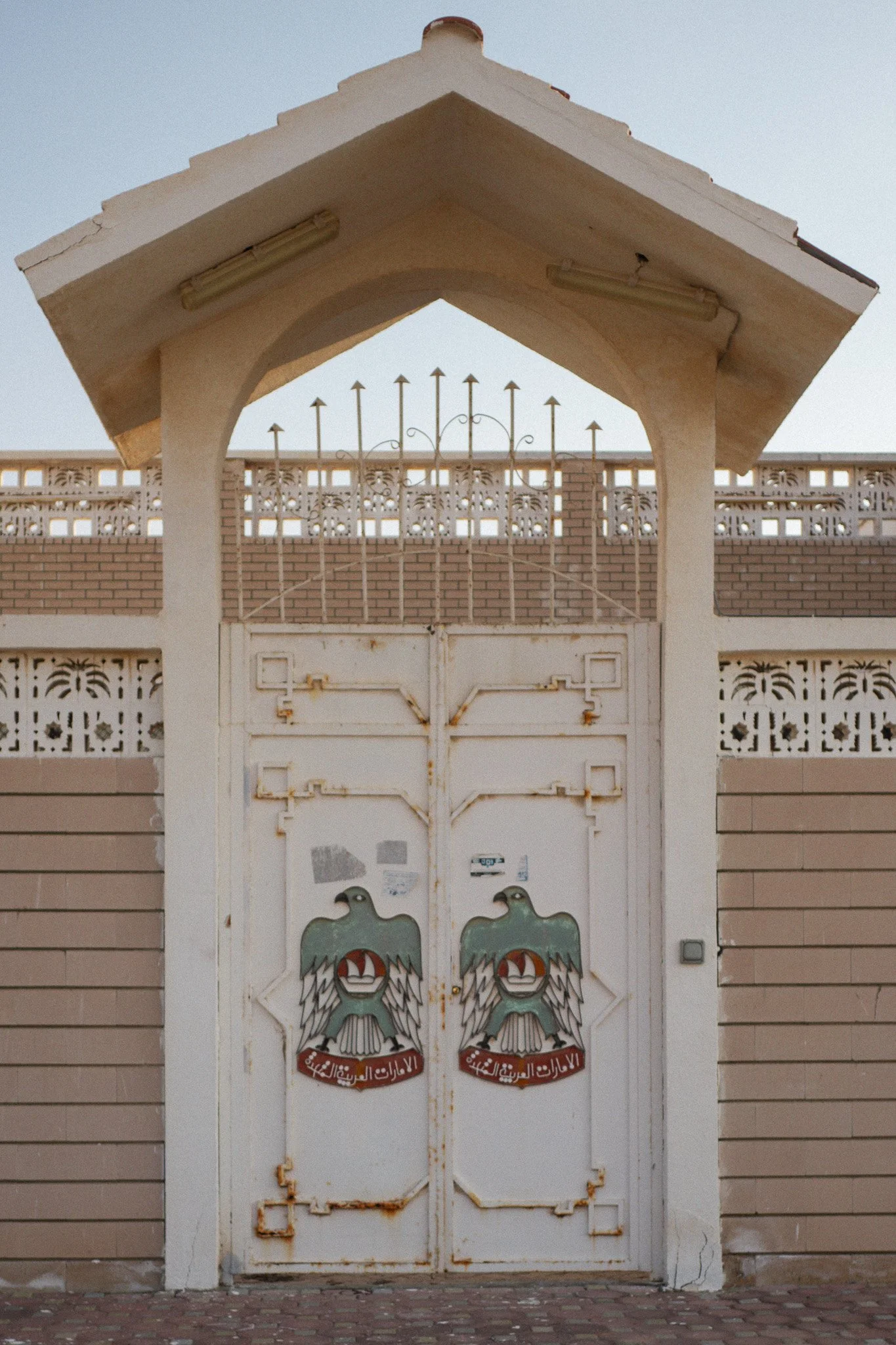
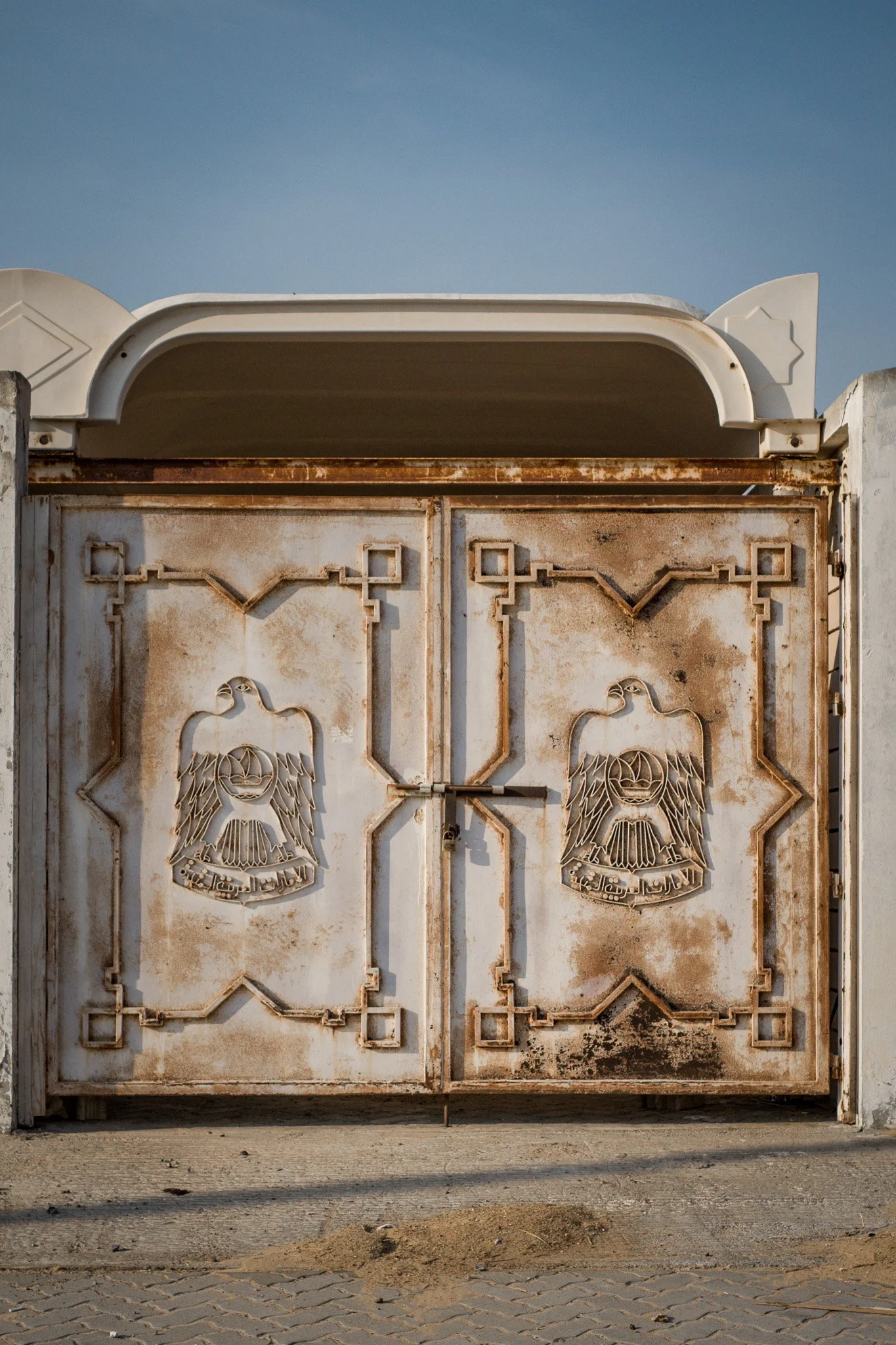
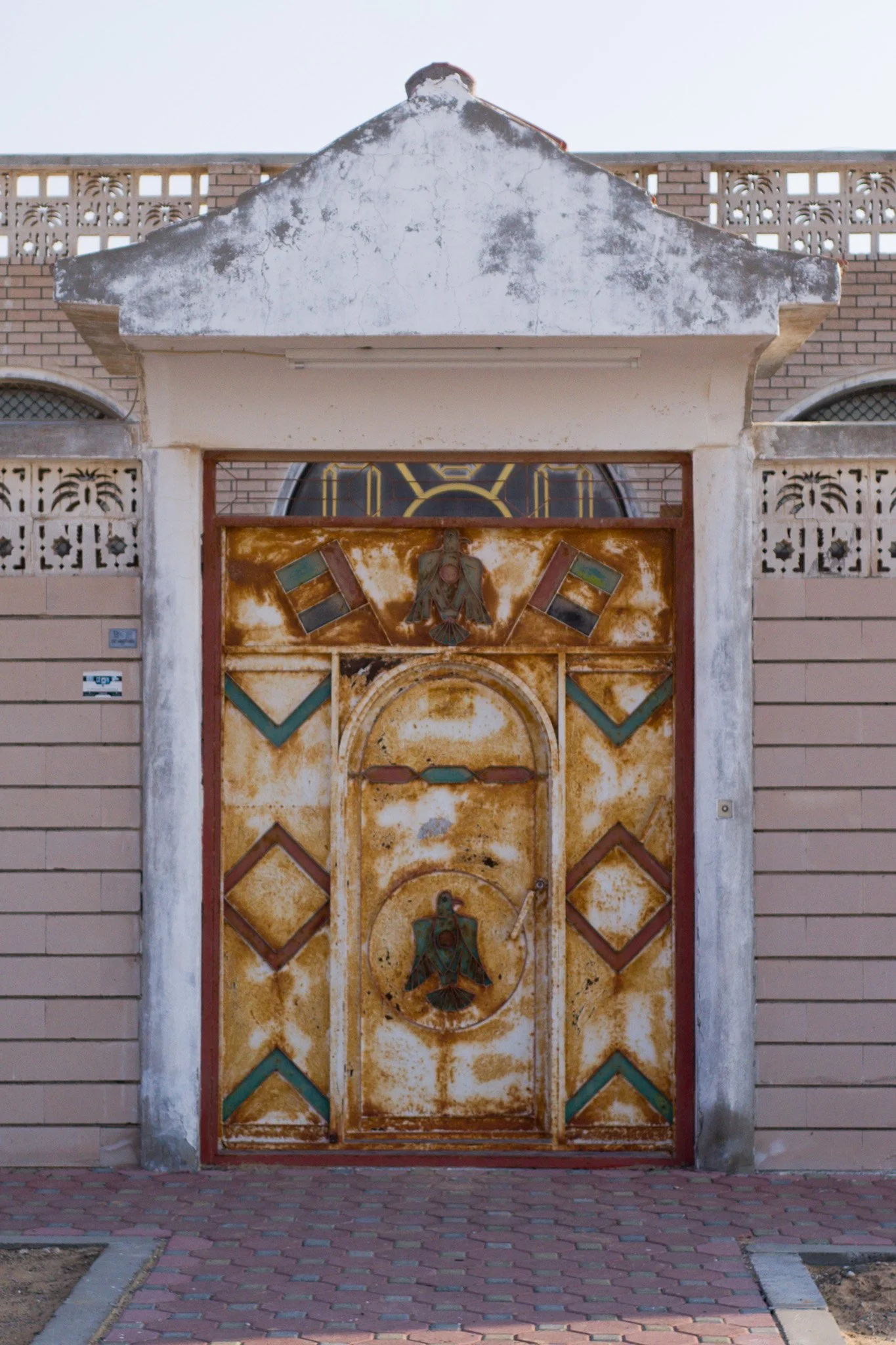
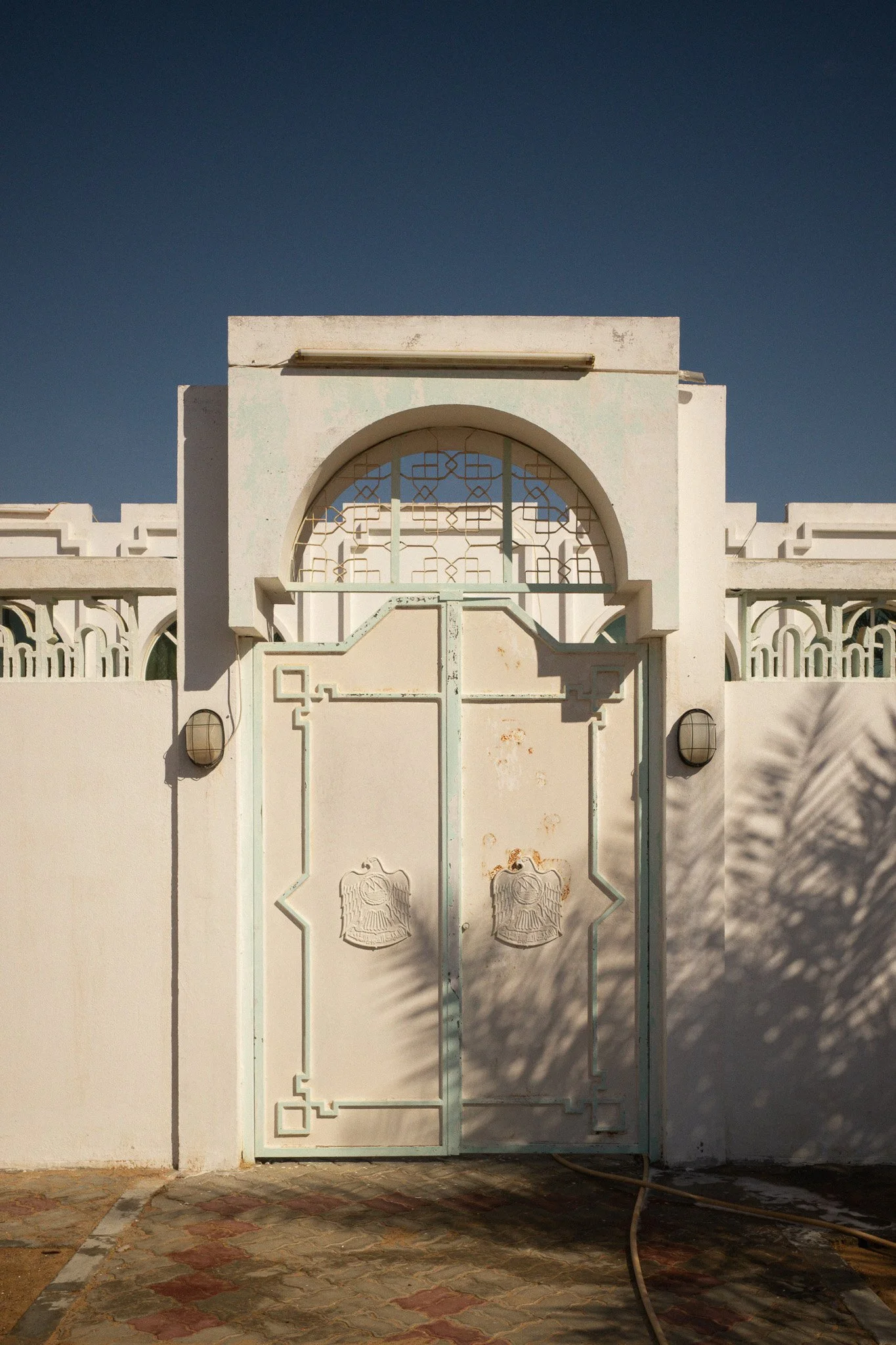
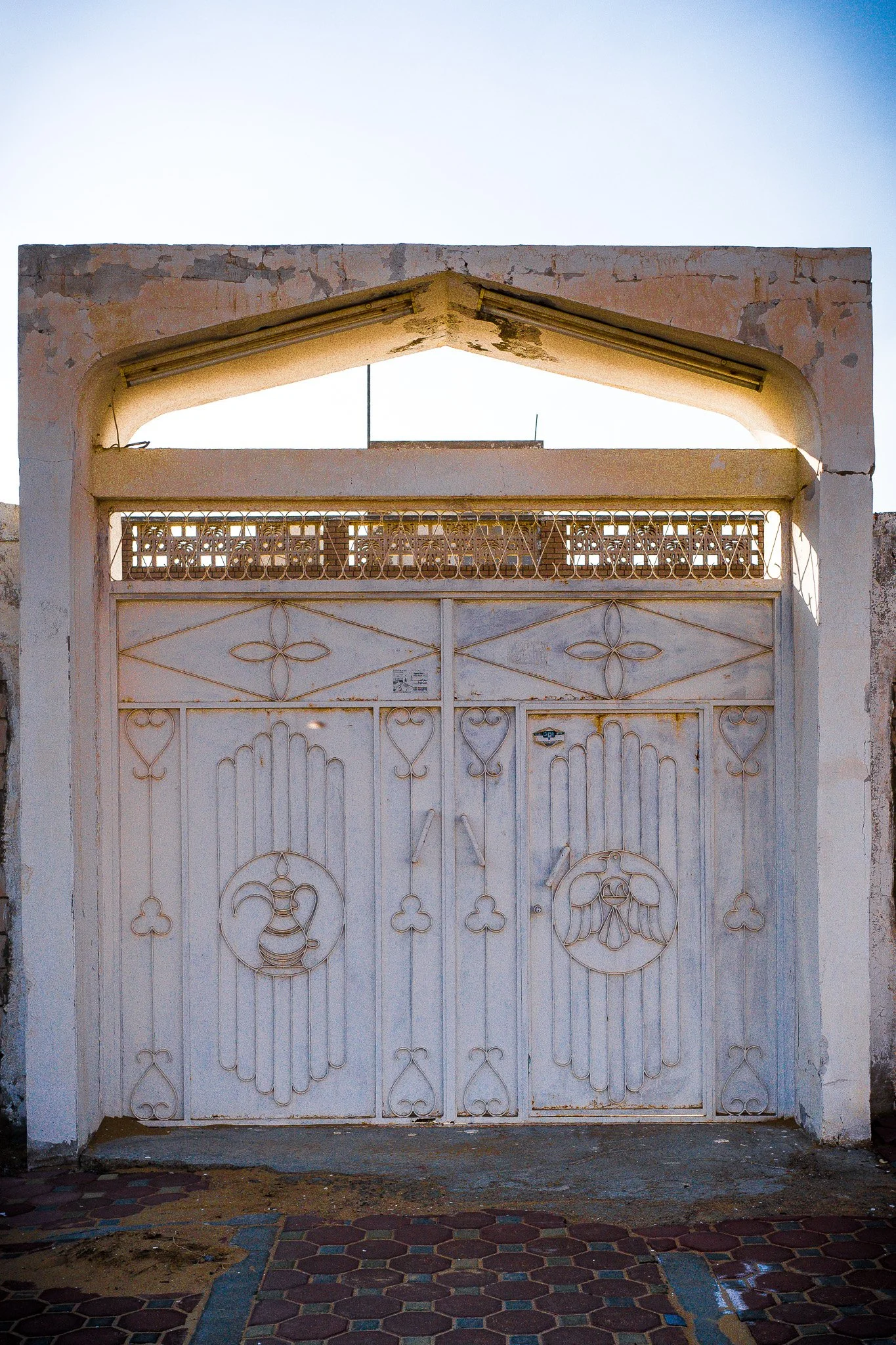
Each derwaza carries traces of its owners: pride, protection, belief, hospitality. Some still open daily. Others have not moved in years. But all of them hold memory. They remember footsteps, arrivals, departures, and long afternoons when the world moved more slowly.
Photographing these gates is not about architecture alone. It is about thresholds. About what we choose to keep in, and what we leave outside. In Liwa, the derwaza stands as a reminder that even the simplest entrance can carry meaning, not just as an object, but as a passage through time.